GST Basics
How to Create a GST Invoice in India (2026 Guide)
15 Jan 20269 min read

Free guides for freelancers, consultants, and SMBs — from invoice formats to compliance tips.
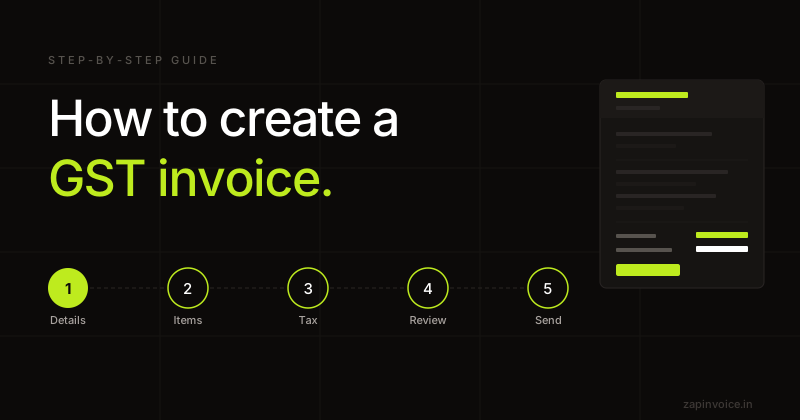
Everything you need to create a legally compliant GST invoice — mandatory fields, tax calculation, and common mistakes to avoid.
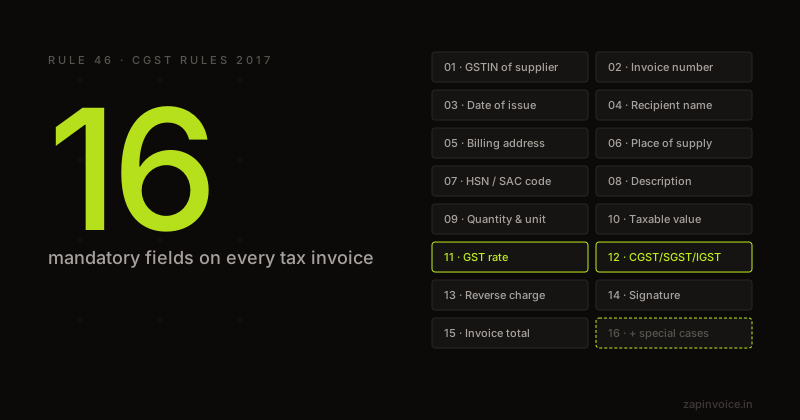
The complete GST invoice format under Rule 46 — every mandatory field explained with examples and compliance tips.
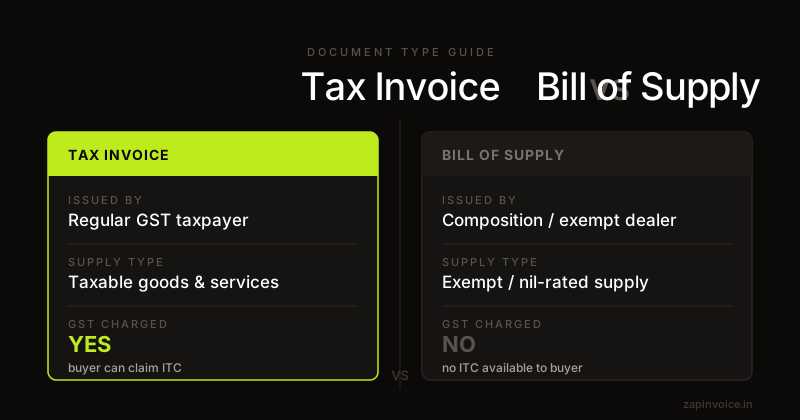
Not every GST business issues a tax invoice. Here's when to use a bill of supply instead, and what fields each document requires.
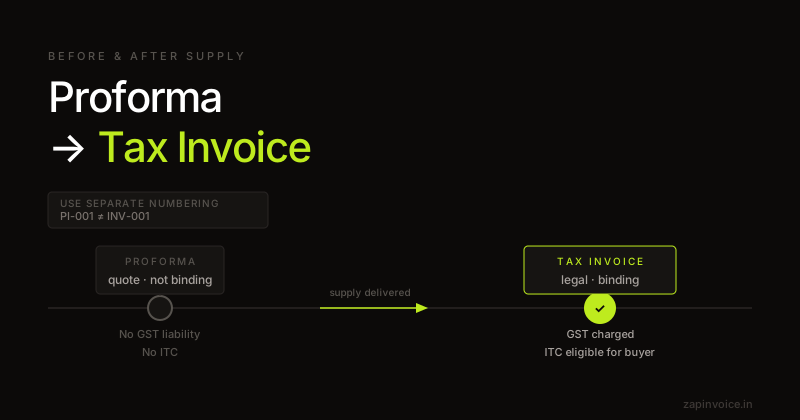
A proforma is a quote; a tax invoice is a legal demand. Confusing them can cause compliance issues — here's exactly when to use each.
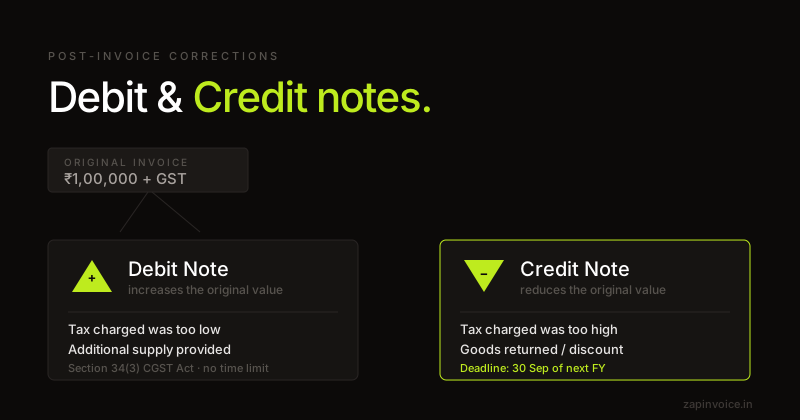
Issued an invoice with the wrong amount or rate? Here's how credit notes and debit notes work under GST to correct it without violating compliance.
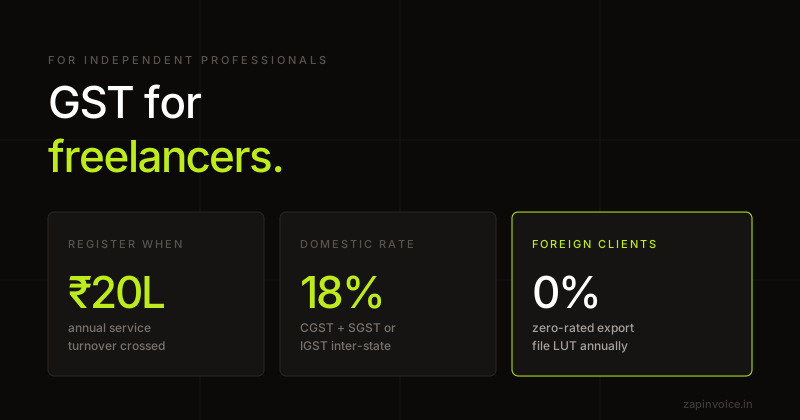
Everything Indian freelancers need to know about GST invoicing — registration threshold, SAC codes, billing format, and how to invoice foreign clients.
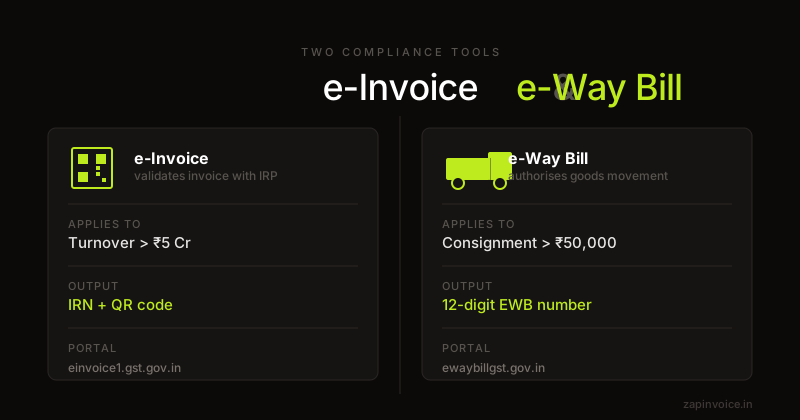
E-way bill and e-invoice are both GST compliance tools — but they serve very different purposes. Here's when each applies and how they link together.
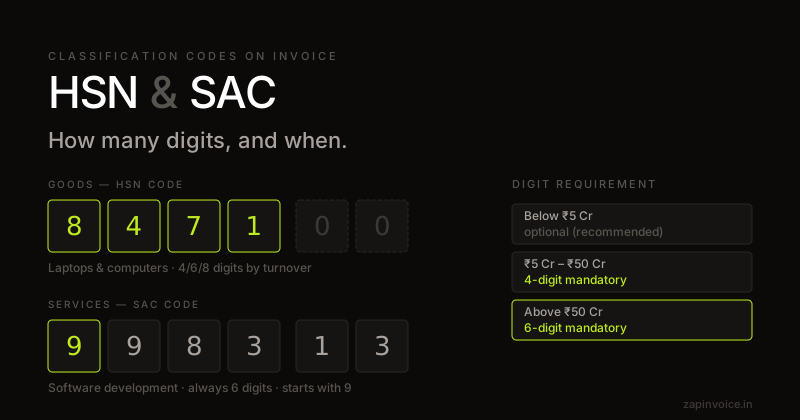
HSN and SAC codes classify what you're selling under GST. Here's which code to use, how many digits are required, and a lookup for the most common categories.
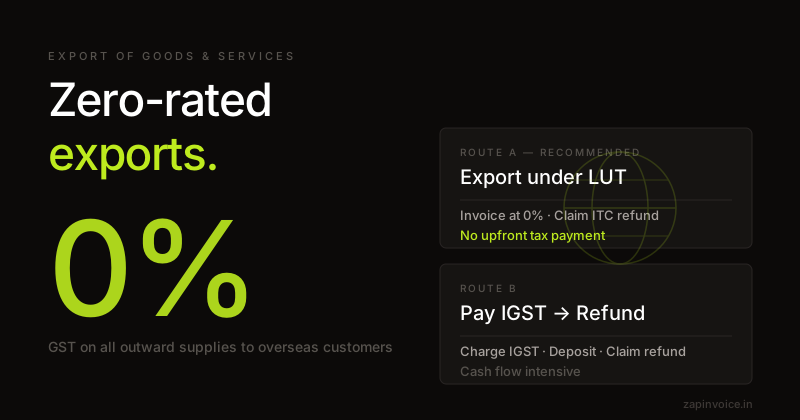
Exporting goods or services from India? Here's the exact invoice format, LUT filing process, and how zero-rating works under GST.
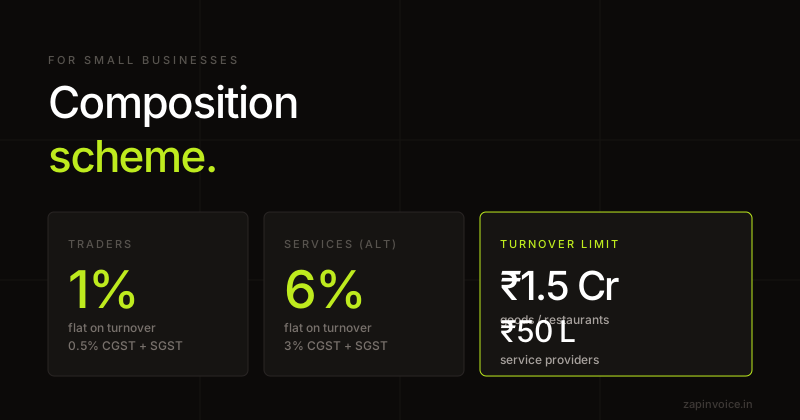
The GST composition scheme lets eligible small businesses pay tax at a flat rate and file just one annual return. Here is everything you need to know to decide if it works for you.
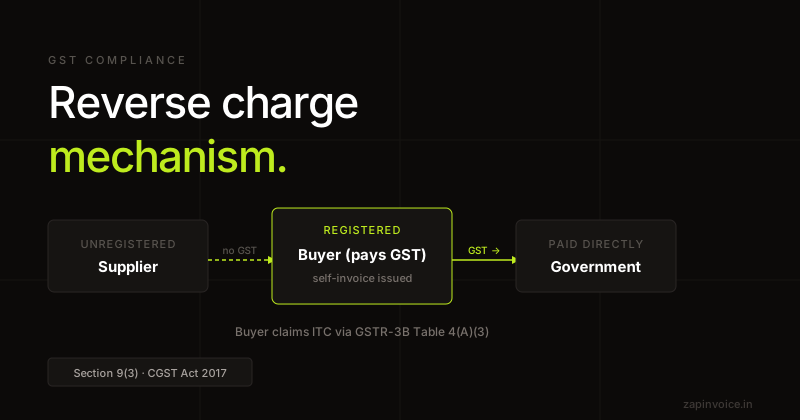
Under RCM, the buyer pays GST instead of the supplier. Here is which transactions attract reverse charge, what documents are required, and how to claim ITC.
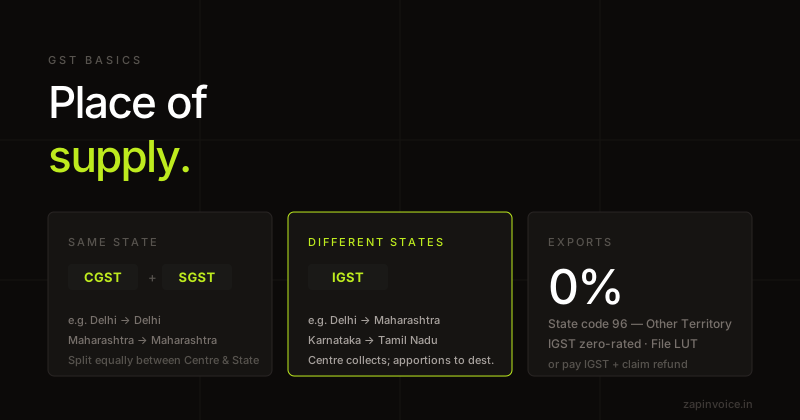
Place of supply is the single most important concept that determines which GST component you charge. Get it wrong and your buyer loses ITC. Here is how it works for goods, services, and exports.